Bombas de parafuso de espessura da parede iguais
Cat:Bombas de parafuso único
Bombas de parafuso equipadas com estator de espessura da parede igual, o mesmo tipo de especificações da bomba fluxo da bomba e a pressão é aumenta...
Veja detalhes
Spare Parts For Progressive Cavity Pumps, commonly grouped under the broader term Screw Pump Accessories, refer to the replaceable components that keep a single screw pump running at its designed flow rate and pressure, including the rotor, stator, universal joint or coupling rod, drive shaft, mechanical seal, and housing gaskets. Among these, the rotor and stator wear the fastest because they are in continuous mechanical contact as the pump transfers fluid, which is why they are replaced more often than any other component in a typical single screw pump. Selecting the correct Screw Pump Accessories for a given application depends on the elastomer grade of the stator, the fluid being pumped, and whether the pump is a general single screw pump, a food screw pump, a vertical screw pump, a sewage screw pump, or a sludge screw pump, since each variant places different demands on its wear parts. Sourcing these components from an experienced Screw Pumps manufacturer that understands both original equipment specifications and universal cross-compatible designs can materially reduce downtime for operators in water treatment, chemical processing, food production, and other process industries. The sections below walk through common pump types, how the rotor-stator system works, where these pumps are typically installed, how to compare spare parts options, what current market data shows, and what to look for when selecting a Spare Parts For Progressive Cavity Pumps supplier.
Progressive cavity pumps, also referred to as single screw pumps or eccentric screw pumps, are positive displacement pumps built around a helical rotor turning inside a double-helix elastomeric stator. Because the rotor-stator interface is a wear surface by design, ongoing demand for replacement Screw Pump Accessories is a normal and expected part of operating this pump type over its service life, rather than a sign of a defective unit. This article focuses on practical guidance for identifying, comparing, and sourcing these components.
The rotor and stator are the most frequently replaced Spare Parts For Progressive Cavity Pumps, and matching their material and geometry to the pumped fluid is the single most important factor in extending service life.
Single screw pumps are generally categorized by the industry and fluid they are built to handle, and this categorization directly affects which Screw Pump Accessories a given unit requires. A food screw pump uses food-grade stator elastomers and often a sanitary rotor coating suited to hygienic processing standards common in dairy, beverage, and pharmaceutical lines. A vertical screw pump is configured for tank-bottom or sump installations where space is limited and gravity feed assists suction. A sewage screw pump is built with a wider solids-handling capability and a more abrasion-resistant stator compound to cope with grit and fibrous material. A sludge screw pump typically uses a thicker-walled, higher-durometer stator and a reinforced universal joint, since dewatered or thickened sludge places heavier torque loads on the drive train than clean liquids do. The table below summarizes these common categories and the spare parts most frequently associated with each.
| Pump Type | Typical Fluid | Common Spare Parts Focus |
|---|---|---|
| Food screw pump | Sauces, dairy, dough, beverage bases | Food-grade stator, sanitary seal kits |
| Vertical screw pump | Sump and tank-bottom liquids | Extended shaft bearing, coupling rod |
| Sewage screw pump | Municipal and industrial sewage | Abrasion-resistant stator, cutter or grinder parts |
| Sludge screw pump | Thickened or dewatered sludge | Reinforced universal joint, high-durometer stator |
| General single screw pump | Chemicals, process water, viscous liquids | Standard rotor-stator sets, mechanical seals |
Because each pump type is engineered around a specific duty, buyers should avoid assuming that Screw Pump Accessories are fully interchangeable across categories without checking elastomer grade, pitch geometry, and shaft dimensions. A reliable Screw Pumps manufacturer typically maintains cross-reference documentation that maps its own parts to the dimensions of commonly used pump models, which simplifies sourcing for maintenance teams managing mixed-brand fleets.
Matching Screw Pump Accessories to the specific pump category, whether a food screw pump, vertical screw pump, sewage screw pump, or sludge screw pump, is essential for achieving expected service life.
A single screw pump moves fluid through a series of sealed, moving cavities formed between a helical metal rotor and a double-helix elastomeric stator. As the rotor turns inside the stator, these cavities progress from the suction side to the discharge side, providing a continuous, low-pulsation flow that is gentle on shear-sensitive fluids and tolerant of moderate solids content. Because the rotor axis orbits rather than spins purely on center, a universal joint or flexible coupling rod is required to transmit rotary motion from the drive shaft to the rotor while accommodating this eccentric motion. A mechanical seal, or in some designs a packing gland, prevents the pumped fluid from leaking along the drive shaft where it exits the pump housing. The stator, being an elastomer bonded or fitted inside a metal tube, is the component most exposed to continuous friction and is therefore one of the primary Spare Parts For Progressive Cavity Pumps that maintenance teams keep in stock.
The simplified structural diagram below illustrates these core components in a generalized single screw pump body. It is intended as an explanatory schematic rather than a drawing of any single product, since exact internal layouts vary between models and between each Screw Pumps manufacturer.
The rotor-stator interface is the functional core of a single screw pump, which is why Spare Parts For Progressive Cavity Pumps focused on this interface account for the majority of routine maintenance work.
Progressive cavity pumps built around a single screw pump design are widely used wherever a process needs steady, low-pulsation flow of a viscous, shear-sensitive, or moderately abrasive fluid. Municipal and industrial water treatment plants rely on a sewage screw pump or sludge screw pump to move thickened sludge and grit-laden wastewater without excessive wear on downstream equipment. Chemical processing facilities use general single screw pumps for dosing and transferring corrosive or viscous liquids where consistent flow matters more than raw speed. Paper and pulp mills use these pumps for stock and coating transfer, food and pharmaceutical plants use a food screw pump for hygienic handling of sauces, dairy, and dough, and petrochemical and energy operations use progressive cavity pumps for crude handling and produced fluid transfer. Selecting the right Screw Pump Accessories for each of these settings depends on matching stator elastomer chemistry, rotor coating, and seal type to the specific fluid and duty cycle involved.
Typical Application Scenarios
|
Selection Checklist
|
Facility engineers managing multiple pump duties often standardize on a smaller number of stator elastomer grades and rotor coatings across their fleet to simplify inventory management, even when pumps are sourced from more than one Screw Pumps manufacturer. Working with a professional Screw Pump Accessories supplier that offers universal, cross-compatible parts can reduce the number of distinct SKUs a plant needs to stock for maintenance, which is particularly useful for sites running a mixed fleet of vertical, sewage, and general single screw pumps.
Confirming elastomer compatibility, rotor coating, and dimensional fit before ordering Screw Pump Accessories is the most reliable way to avoid premature wear or installation mismatches.
When sourcing Spare Parts For Progressive Cavity Pumps, buyers generally choose between components matched precisely to an original equipment specification and universal, cross-compatible parts designed to fit a range of pump brands. Both approaches are widely used across water treatment, chemical, and food processing plants, and the right choice usually depends on fleet composition, lead time needs, and how many different pump brands a facility operates. The table below outlines the main practical differences between these two sourcing approaches for Screw Pump Accessories.
| Factor | OEM-Matched Parts | Universal Screw Pump Accessories |
|---|---|---|
| Dimensional fit | Built to a single brand's exact specification | Cross-referenced to fit multiple pump brands |
| Fleet suitability | Best for single-brand pump fleets | Well suited to mixed-brand pump fleets |
| Inventory complexity | One SKU per brand and model | Fewer SKUs can cover multiple pump models |
| Elastomer customization | Fixed to original design options | Often available in a wider elastomer range |
Neither approach is universally preferable, and many maintenance teams use both depending on the pump involved. A single-brand facility with a stable pump fleet may find OEM-matched parts simplest to manage, while a facility that has accumulated pumps from several manufacturers over the years often benefits from a Screw Pump Accessories supplier capable of producing universal, cross-compatible rotors and stators. A reliable Spare Parts For Progressive Cavity Pumps manufacturer typically supports both paths, offering exact-match reproduction parts alongside broader elastomer and coating options for teams standardizing their spare parts inventory.
Universal Screw Pump Accessories can simplify inventory for mixed-brand pump fleets, while OEM-matched parts remain a straightforward option for single-brand installations.
Demand for progressive cavity pumps, and by extension the Spare Parts For Progressive Cavity Pumps that keep them running, has been tracked closely by industry research firms in recent years. According to a market report published by Grand View Research, the global progressive cavity pumps market was valued at approximately 2.48 billion US dollars in 2024 and was estimated to reach about 2.57 billion US dollars in 2025, with the same source projecting continued growth to roughly 3.27 billion US dollars by 2030, corresponding to a compound annual growth rate near 5.0 percent from 2025 to 2030. The report also notes that rotor and stator wear under abrasive or corrosive conditions is identified as a market restraint tied to maintenance cost, which indirectly points to steady, recurring demand for replacement Screw Pump Accessories as installed pump fleets continue to expand. Before reviewing the area chart below, it is worth noting that these figures represent overall market value trends compiled from a single consistent industry source rather than a blend of differing methodologies, which supports more reliable year-over-year comparison.
The area chart above traces the global progressive cavity pumps market value from an estimated 2.48 billion US dollars in 2024 through 2.57 billion in 2025 and roughly 2.6 billion in 2026, reaching a projected 3.27 billion US dollars by 2030, based on figures published by Grand View Research. The steady upward slope reflects a compound annual growth rate near 5.0 percent across the 2025 to 2030 forecast window, which is a moderate but consistent pace typical of a mature industrial equipment category rather than a fast-moving consumer product segment. This sustained growth trend matters directly for Screw Pump Accessories demand, since every additional progressive cavity pump installed globally becomes a future source of recurring rotor, stator, and seal replacement orders over its operating life. The same Grand View Research report identifies rising demand from water and wastewater treatment, chemical processing, and food and beverage industries as key drivers, which aligns closely with the primary end markets served by a typical single screw pump. It also notes that high maintenance costs and wear-related operational challenges are viewed as a restraint on adoption in some segments, which is somewhat counterintuitive at first glance but actually reinforces the ongoing need for accessible, well-matched spare parts, since easier access to quality Screw Pump Accessories can directly offset this concern for prospective buyers. For distributors and maintenance planners, a market growing at a mid-single-digit percentage annually suggests that spare parts inventory planning should account for gradual, compounding growth in fleet size rather than sharp swings in demand from year to year. This is useful context for a Screw Pump Accessories supplier deciding how to plan production capacity or stocking levels for common wear parts. The chart should be read as directionally representative of steady expansion rather than a precise universal forecast, since market research firms can differ somewhat in scope and methodology, though the general trend of moderate, multi-year growth is consistent with the wider positive displacement pump category. Overall, this data supports the view that demand for Spare Parts For Progressive Cavity Pumps will likely continue expanding in step with the broader installed base of single screw pumps worldwide.
Published market research indicates the global progressive cavity pumps market is on a steady growth path toward roughly 3.27 billion US dollars by 2030, which points to sustained long-term demand for replacement Screw Pump Accessories.
Understanding which industries actually use progressive cavity pumps helps explain where demand for Spare Parts For Progressive Cavity Pumps is concentrated. Grand View Research reports that the oil and gas segment accounted for a 21.9 percent share of the global progressive cavity pumps market by revenue in 2024, which means the remaining roughly 78 percent of the market is distributed across water and wastewater treatment, food and beverage, chemicals, pulp and paper, and other process industries. This distribution is notable because it shows that oil and gas, while a meaningful and often-cited application, is actually a minority share of the overall market rather than the dominant use case. The water and wastewater segment in particular is highlighted in the same report as a driver of demand, especially in regions investing heavily in sanitation infrastructure. The column chart below visualizes this two-part split so the relative scale is easy to compare at a glance before moving into the power rating data that follows.
The column chart shows that oil and gas applications represented about 21.9 percent of the global progressive cavity pumps market by revenue in 2024, while the combined remaining industries, including water and wastewater treatment, food and beverage, chemicals, and pulp and paper, accounted for the larger 78.1 percent share. This distribution is directly relevant to buyers of Screw Pump Accessories because it confirms that most global demand for these pumps, and therefore most demand for replacement rotors, stators, and seals, comes from process industries outside of oil and gas extraction. Water and wastewater treatment plants, in particular, use sewage screw pumps and sludge screw pumps extensively for handling grit-laden and viscous waste streams, which are duty cycles that tend to accelerate stator wear compared with cleaner industrial fluids. Food and pharmaceutical processors contribute to this broader share through hygienic-grade single screw pumps used for viscous product transfer, where food-grade Screw Pump Accessories are essential for maintaining sanitary compliance. Chemical and petrochemical processors add further demand through dosing and viscous fluid transfer applications that also require periodic stator and seal replacement. For a Screw Pump Accessories manufacturer or supplier, this breakdown suggests that maintaining strong stock and lead times for water treatment and general industrial-grade parts is likely to serve a larger share of total market demand than focusing narrowly on oil and gas configurations alone. It also suggests that facilities in sectors like paper and pulp or food processing represent a meaningful and often underappreciated share of the total addressable market for Spare Parts For Progressive Cavity Pumps. Readers should note that the 78.1 percent figure is a calculated remainder rather than a directly published sub-breakdown by the source report, since the report provides granular revenue detail for the oil and gas segment specifically. Even so, the overall conclusion that non-oil-and-gas industries dominate this market by a wide margin is well supported by the underlying data. This context is useful for maintenance managers benchmarking their own facility's parts usage against the broader industry, and for distributors deciding which spare parts categories to prioritize in regional inventory planning.
Alongside end-use industry, the power rating of installed pumps also affects the type and size of Screw Pump Accessories most commonly ordered. According to the same Grand View Research report, pumps rated up to 50 horsepower accounted for 45.9 percent of the global progressive cavity pumps market by revenue in 2024, meaning that pumps above 50 horsepower made up the remaining 54.1 percent. This split is close to even, indicating that both smaller, precision-oriented installations and larger, higher-capacity units represent substantial parts of the overall market rather than one category dominating heavily. The stacked bar below presents this composition as a single bar divided into two proportional segments.
The stacked bar illustrates that pumps rated up to 50 horsepower made up 45.9 percent of the global progressive cavity pumps market in 2024, while pumps rated above 50 horsepower accounted for the remaining 54.1 percent, based on Grand View Research data. This near-even split suggests that a Screw Pump Accessories supplier serving a broad customer base needs to maintain parts coverage across a meaningful range of shaft sizes, coupling rod strengths, and stator dimensions rather than concentrating exclusively on one power class. Smaller, up-to-50-horsepower pumps are commonly associated with precision dosing, food processing, and smaller water treatment installations, where compact footprint and controllability matter more than raw throughput. Larger pumps above 50 horsepower are more often associated with higher-volume wastewater treatment, sludge handling, and industrial process transfer, where torque capacity and solids-handling ability become the priority. Because larger pumps generally place greater mechanical stress on universal joints, drive shafts, and stators, Screw Pump Accessories for this segment often require thicker-walled stators and reinforced coupling components compared with smaller units. This has practical implications for maintenance budgeting, since larger pumps may require more robust spare parts on a similar replacement cycle even though they represent a similar overall market share to smaller units. Facilities operating a mix of smaller precision pumps and larger high-capacity units should expect to manage two somewhat distinct spare parts inventories rather than assuming a single stator or rotor specification will suit their entire fleet. For manufacturers, this roughly even split supports maintaining balanced production capacity across both power classes rather than specializing narrowly. Taken together with the end-use industry data above, this segment composition reinforces that demand for Spare Parts For Progressive Cavity Pumps is broad-based across both application type and pump size, rather than concentrated in a single narrow niche.
With end-use demand concentrated outside oil and gas and power ratings split nearly evenly between smaller and larger pumps, Screw Pump Accessories suppliers benefit from maintaining broad, well-rounded parts coverage.
Regional demand patterns for progressive cavity pumps, and therefore for Spare Parts For Progressive Cavity Pumps, are not evenly distributed around the world. According to Grand View Research, the Asia Pacific region accounted for 38.8 percent of global progressive cavity pumps market revenue in 2024, making it the largest single regional market ahead of North America and Europe. The same report specifically attributes China's growth within this region to rising demand for proper sanitation and wastewater treatment infrastructure, driven by continued urbanization and rising living standards. This regional concentration has practical implications for buyers, since it means that a substantial share of both new pump installations and ongoing spare parts demand originates in and around this region, supporting a dense local supply chain for Screw Pump Accessories. The gauge chart below visualizes this regional share as a proportion of the total global market.
The gauge chart shows that Asia Pacific captured 38.8 percent of global progressive cavity pumps market revenue in 2024, the largest share of any single region tracked in the Grand View Research report. This concentration reflects the scale of industrial and infrastructure activity across the region, including rapid expansion of water and wastewater treatment capacity, growth in chemical and food processing industries, and continued industrialization in several national markets. Within Asia Pacific, China is specifically identified in the same report as a market where wastewater treatment investment tied to urbanization is a primary growth driver, which directly supports demand for sewage screw pumps, sludge screw pumps, and their associated Screw Pump Accessories. India is separately noted as the country expected to register the fastest regional growth rate through 2030, suggesting the overall Asia Pacific share may continue to expand rather than plateau. For international buyers, this regional concentration is one of the practical reasons that sourcing Spare Parts For Progressive Cavity Pumps from an established China manufacturer or China supplier can offer proximity advantages to a large share of global demand and its associated component supply chains. It also means that lead times and component availability for common wear parts may be more favorable when working with a factory positioned within or near this high-demand region. Facilities operating outside Asia Pacific should still expect reliable access to Screw Pump Accessories from established exporters serving international markets, since many manufacturers in the region maintain dedicated export operations. This regional data, combined with the end-use and power rating breakdowns covered earlier, paints a picture of a global market that is both geographically and industrially diverse, with Asia Pacific serving as the largest single hub of both pump installations and accessory demand. Buyers evaluating potential suppliers may find it useful to ask directly about a manufacturer's export experience and typical lead times to markets outside this core region. Overall, the regional data reinforces that sourcing decisions for Spare Parts For Progressive Cavity Pumps benefit from considering not just price and specification, but also a supplier's location relative to the world's largest demand centers.
Asia Pacific, and China specifically within it, represents the largest regional share of global progressive cavity pump demand, which supports a mature local supply base for Screw Pump Accessories.
Proper maintenance is one of the most effective ways to get full service life out of Spare Parts For Progressive Cavity Pumps before replacement is needed. Industry technical guidance consistently identifies dry running, meaning operation without sufficient fluid in the stator cavity, as one of the most destructive conditions for a single screw pump, since the rotor and stator depend on the pumped fluid for lubrication and cooling. Abrasive wear from solids in the pumped fluid, and fatigue wear from repeated compression of the stator elastomer against the rotor, are also widely recognized as primary wear mechanisms that gradually reduce sealing performance and flow output over time. A published technical study on pump reuse criteria in an oilfield application noted that inspected components are commonly considered suitable for continued service when measured pump efficiency remains at 50 percent or higher, illustrating how operators can use performance-based thresholds, rather than a fixed calendar schedule alone, to guide replacement timing for Screw Pump Accessories. Below is a general maintenance approach suitable for most single screw pump installations.
Facility teams that track these indicators consistently are generally able to plan spare parts orders proactively rather than reacting to unplanned downtime. Working with a durable, reliable Screw Pump Accessories manufacturer that can supply replacement rotors and stators on predictable lead times supports this kind of proactive maintenance approach, particularly for sites running sewage screw pumps or sludge screw pumps in continuous duty.
Avoiding dry running and monitoring flow and pressure trends are the most effective ways to extend the service life of rotors, stators, and other Spare Parts For Progressive Cavity Pumps.
Sourcing from a professional Screw Pump Accessories manufacturer involves evaluating more than catalog listings alone. B2B buyers typically look at engineering experience, production capacity, and whether a prospective Spare Parts For Progressive Cavity Pumps factory can support both OEM-matched reproduction parts and universal, cross-compatible components for mixed pump fleets. Working with an established China manufacturer can offer practical advantages given the region's concentration of demand and supply chain maturity for elastomers, precision-machined rotors, and coupling hardware, as discussed in the regional data above. Many buyers also value a Screw Pump Accessories supplier that can support OEM manufacturing for branded partners as well as ODM development work for customers designing their own product lines.
OEM Screw Pump Accessories Manufacturing
Production based on a buyer's own specifications and branding, suited to pump brands seeking a manufacturing partner.ODM Spare Parts Development
Supplier-supported design work for buyers who want engineering input rather than building specifications from scratch.Wholesale Screw Pump Accessories Supply
Standard catalog rotors, stators, and seal kits supplied in bulk for distributors and wholesalers.Universal Cross-Compatible Parts
Accessories engineered to fit multiple global single screw pump brands, useful for mixed-fleet maintenance teams.
Jingjiang Meijia Pump Industry Co., Ltd. is one example of a China Screw Pump Accessories manufacturer, located at No. 36 Xintai Road in the Jingjiang Economic and Technological Development Zone of Jiangsu Province. The company is a professional operation engaged in the production, sales, and after-sales service of single screw pumps and high-quality Spare Parts For Progressive Cavity Pumps, supported by a team of engineers involved in design, manufacturing, inspection, and complete pump set assembly. Its products are described as covering advanced technology, complete structure, diverse forms, and complete specifications, and are used across environmental water treatment, chemical industry, paper and pulp, food and pharmaceutical, petrochemical, and energy applications. In addition to its own pump lines, the company also produces universal Screw Pump Accessories designed to fit a range of global single screw pump brands, which is a practical option for facilities managing mixed pump fleets. Its after-sales service center maintains a team of experienced engineers to support customers with technical follow-up after installation, and the company describes its products as capable of operating reliably across different environments and working conditions based on long-term customer feedback. This kind of background is generally useful for B2B buyers assessing whether a prospective Screw Pump Accessories supplier has the engineering depth and product range needed for a long-term sourcing relationship.
Evaluating engineering experience, product range, and universal parts capability is a practical way for B2B buyers to assess a professional Spare Parts For Progressive Cavity Pumps manufacturer before placing an order.
Q1: What are the most commonly replaced Spare Parts For Progressive Cavity Pumps?The rotor and stator are replaced most often, since they are in continuous mechanical contact during operation, followed by mechanical seals and universal joints or coupling rods depending on duty cycle. |
Q2: How do I know if my Screw Pump Accessories need replacing?A gradual decline in discharge pressure or flow rate is the most common early sign of rotor or stator wear, and visible pitting, gouging, or excessive play in the coupling rod are further indicators worth inspecting for. |
Q3: Can universal Screw Pump Accessories fit pumps from different brands?Yes, many manufacturers produce universal, cross-compatible rotors and stators engineered to match the dimensions of commonly used single screw pump models, which can simplify inventory for facilities running mixed pump fleets. |
Q4: What causes premature wear in a stator for progressive cavity pumps?Dry running, abrasive solids in the pumped fluid, and using an elastomer grade that is chemically incompatible with the fluid are among the most common causes of premature stator wear. |
Q5: What should buyers check before selecting a Screw Pump Accessories supplier?Buyers should review engineering experience, production capacity, whether the supplier offers both OEM-matched and universal parts, and after-sales technical support before committing to a long-term sourcing relationship. |
Q6: Are Screw Pump Accessories different for food screw pumps compared to sewage screw pumps?Yes, a food screw pump generally requires food-grade stator elastomers and sanitary seal kits, while a sewage screw pump typically needs a more abrasion-resistant stator compound suited to grit and solids-laden wastewater. |
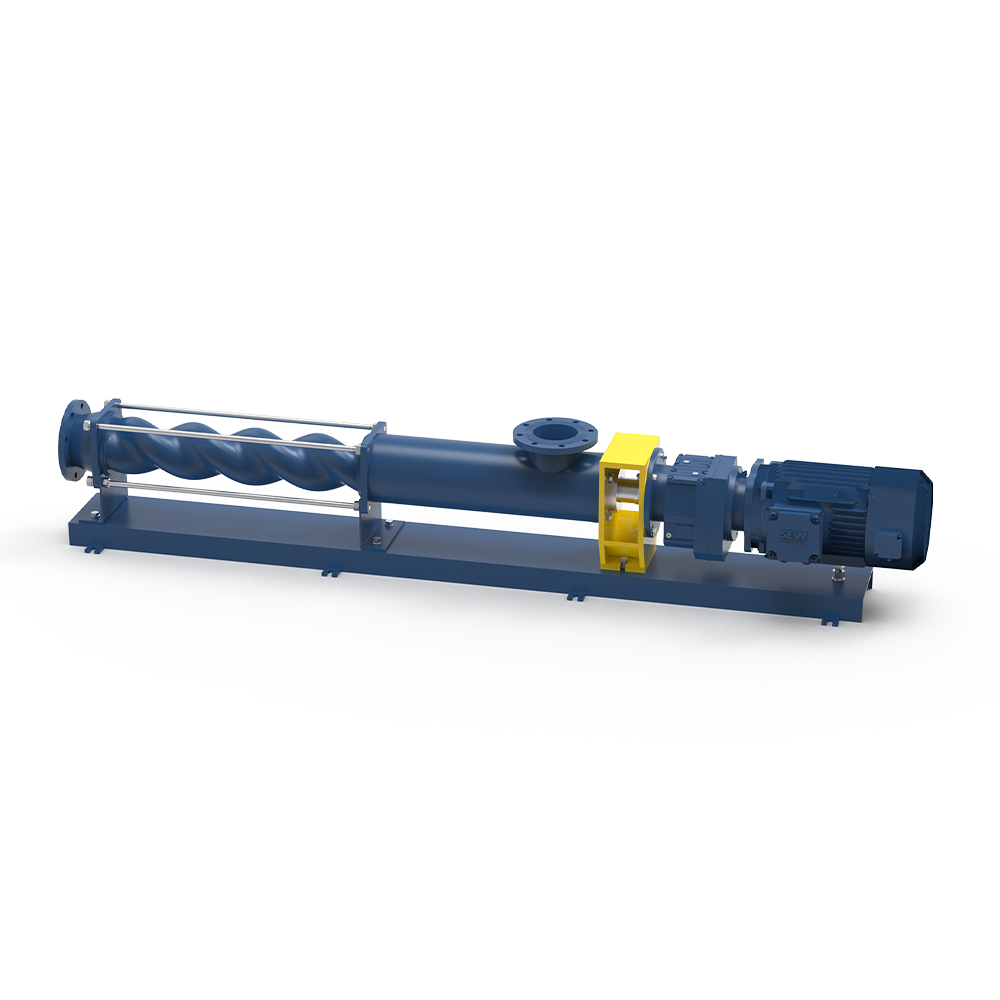
Bombas de parafuso equipadas com estator de espessura da parede igual, o mesmo tipo de especificações da bomba fluxo da bomba e a pressão é aumenta...
Veja detalhes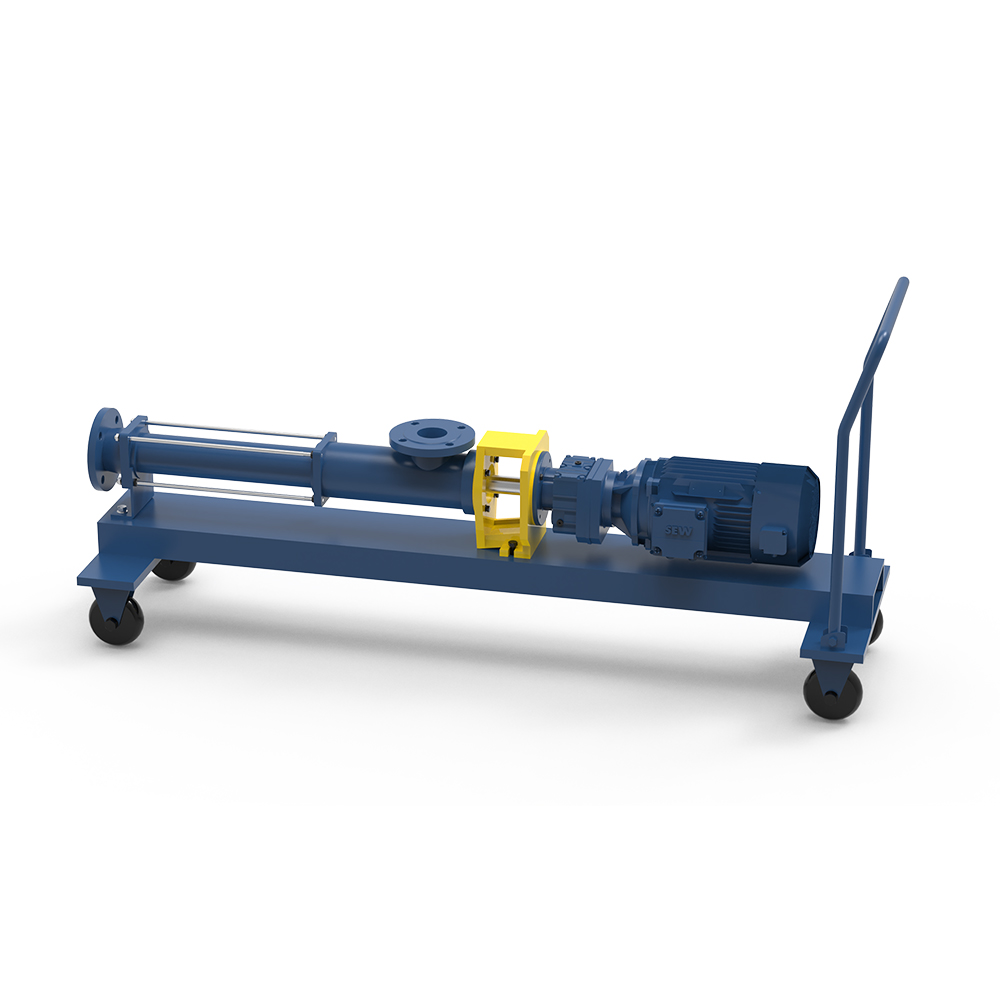
Bomba de veículo Mika, a base da bomba não é apenas estável e confiável, mas também inteligentemente equipada com rodas universais, essas rodas gir...
Veja detalhes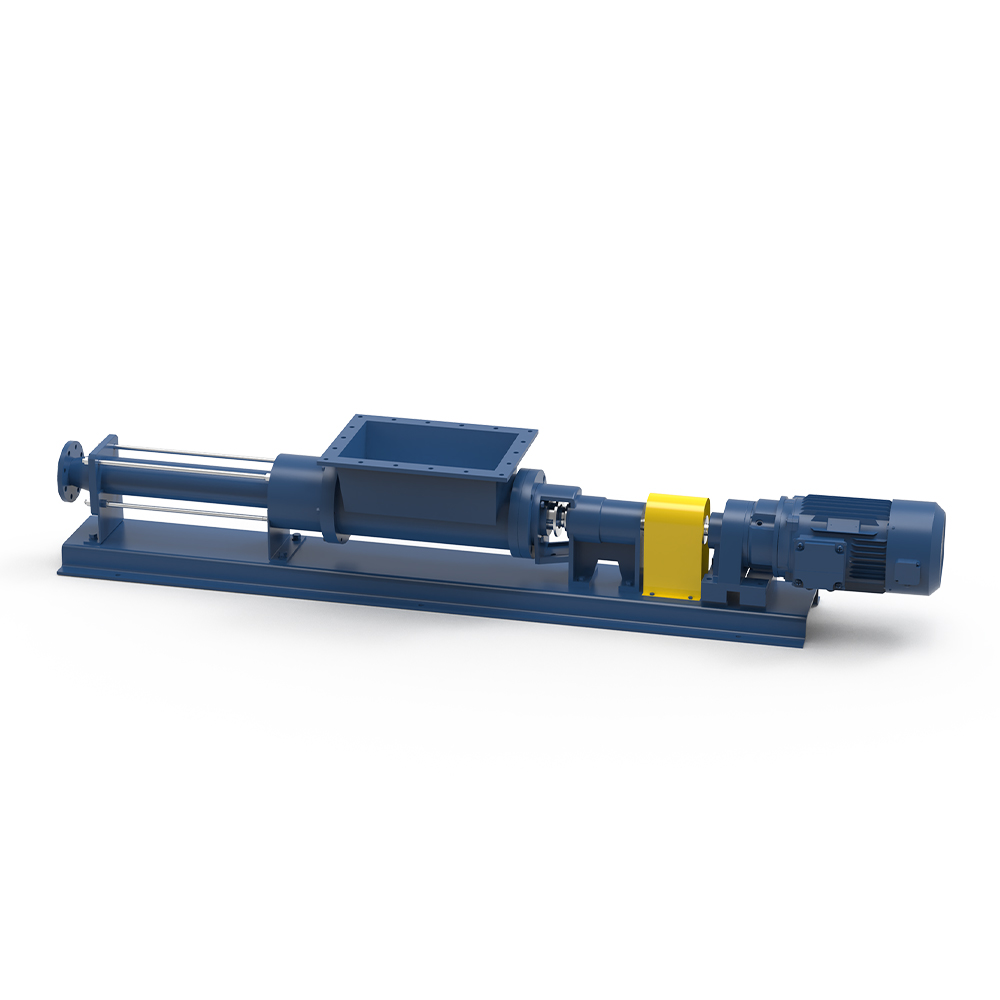
A entrada é uma bomba do tipo W grande de design de tremonha com um eixo de conexão com várias palhetas (que podem efetivamente impedir o acúmulo d...
Veja detalhes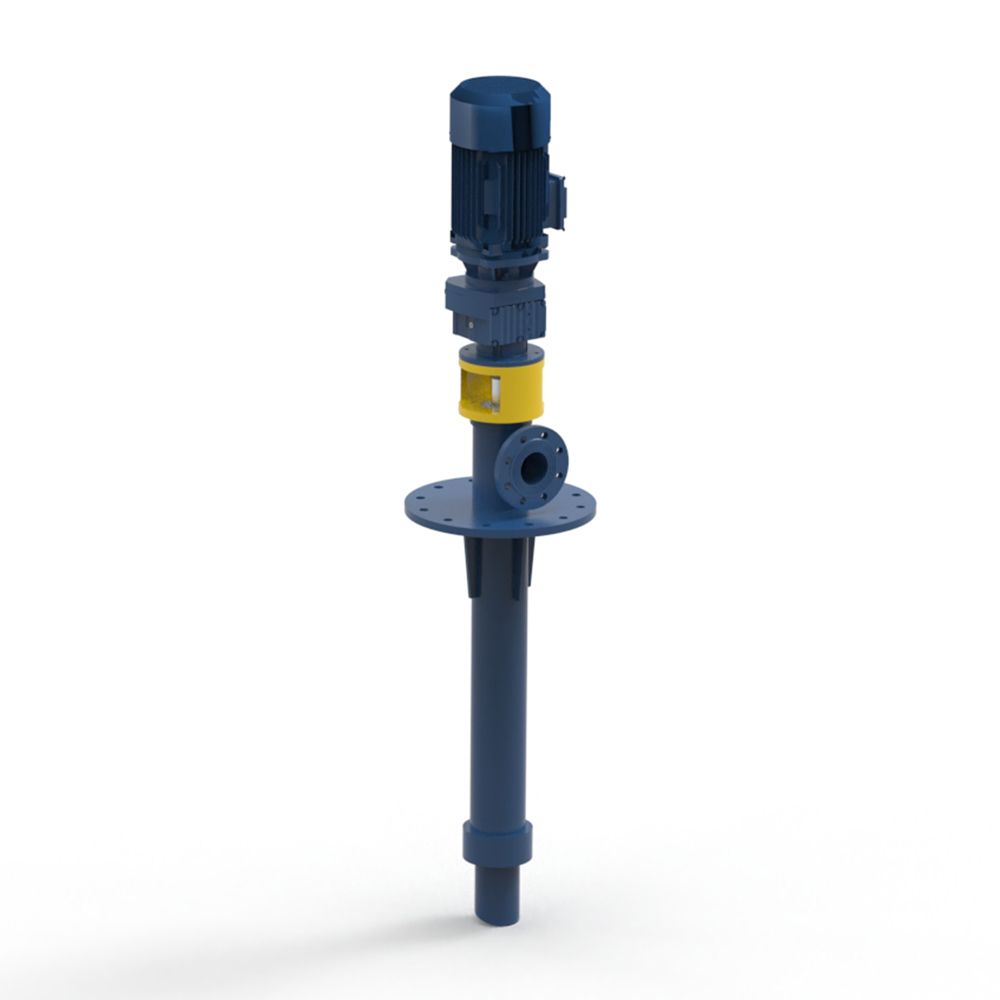
As bombas de parafuso do tipo T vertical Mika podem ser alcançadas através do comprimento do corpo da bomba a uma variedade de profundidades difere...
Veja detalhes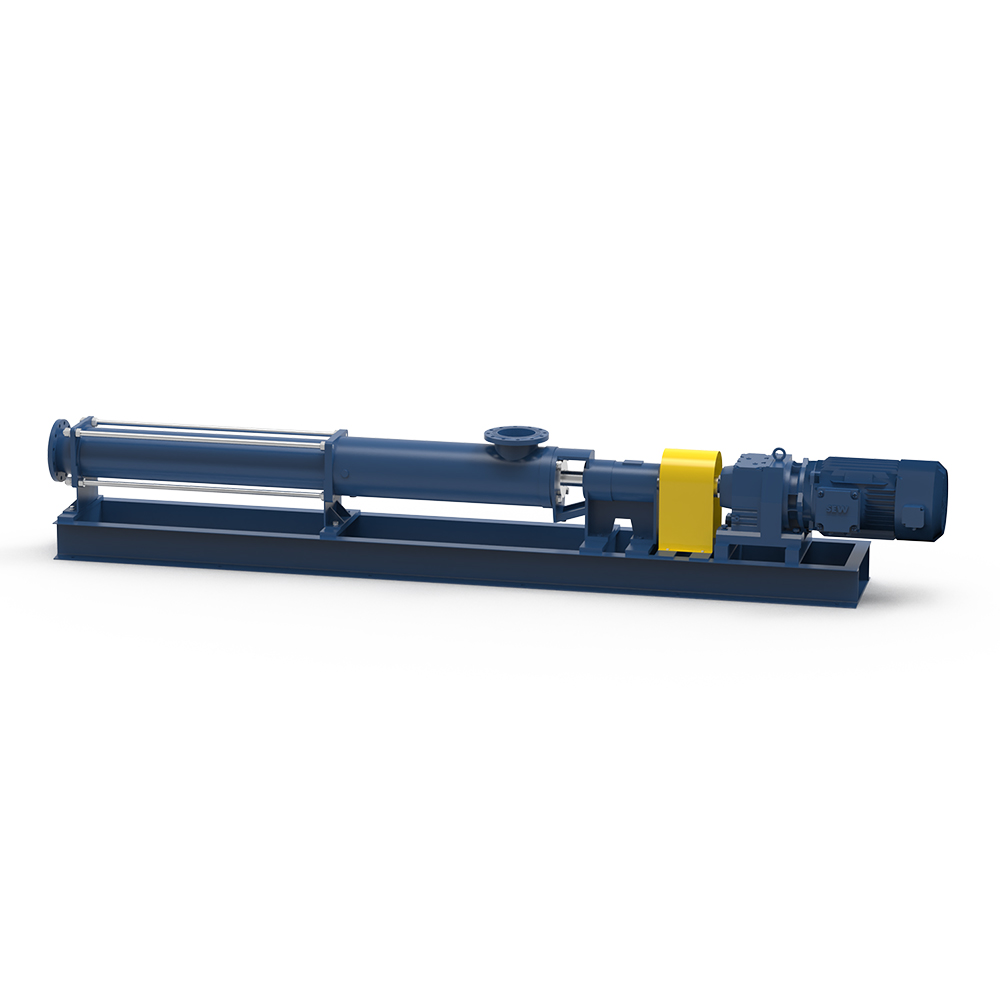
A bomba S com suporte ao quadro de rolamentos pode suportar cargas axiais mais altas e pode ser usada para condições de alta pressão, p. Transferên...
Veja detalhes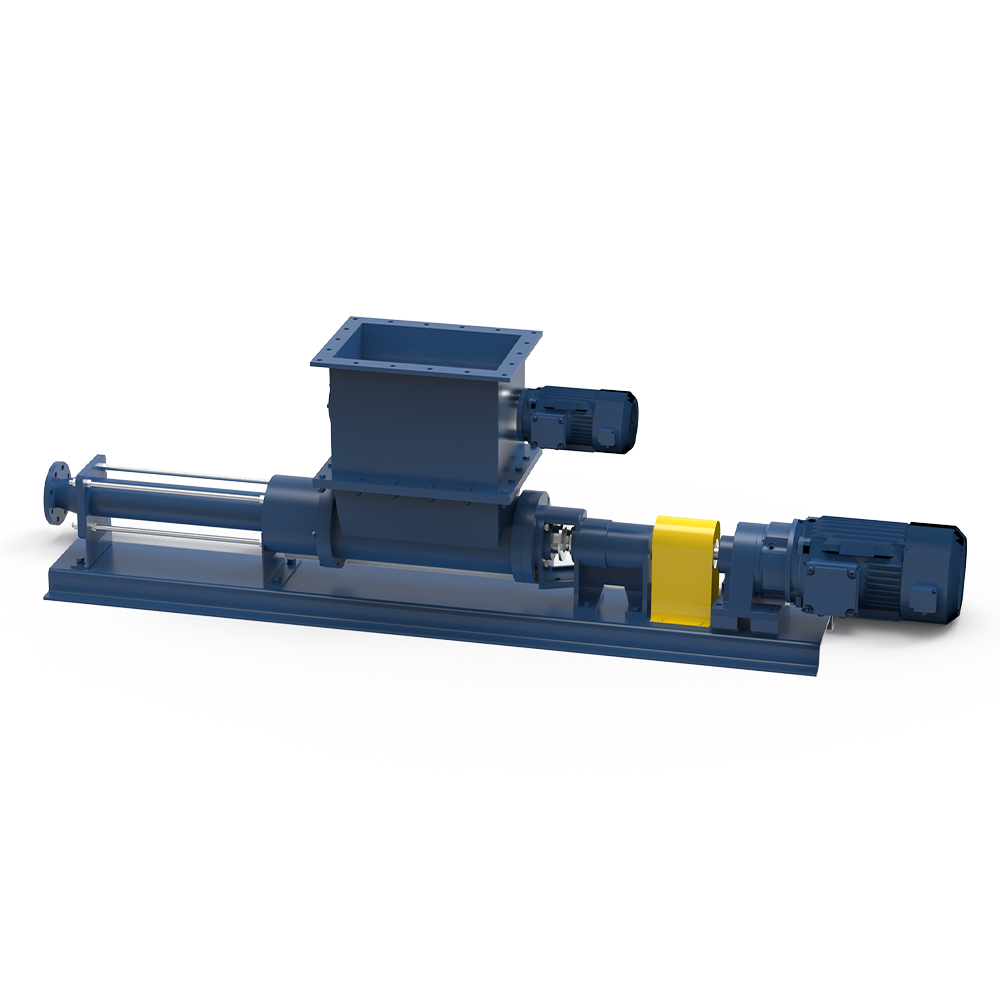
A entrada foi projetada para uma tremonha grande com um dispositivo P de abuso de pontes é adequado para transmitir materiais com alta viscosidade,...
Veja detalhes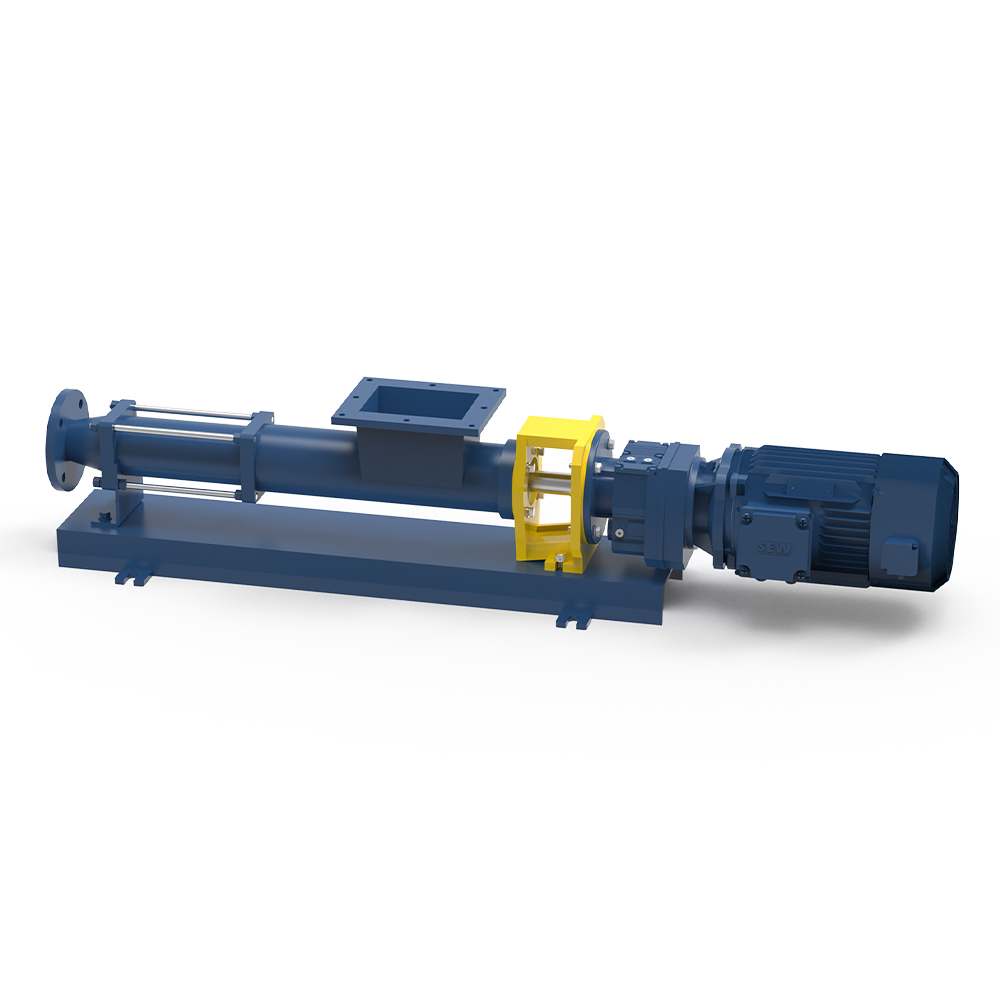
A entrada é uma pequena bomba h trengular do projeto H, adequada para transmitir alto teor sólido de viscosidade de menos de 15% do meio, como mist...
Veja detalhes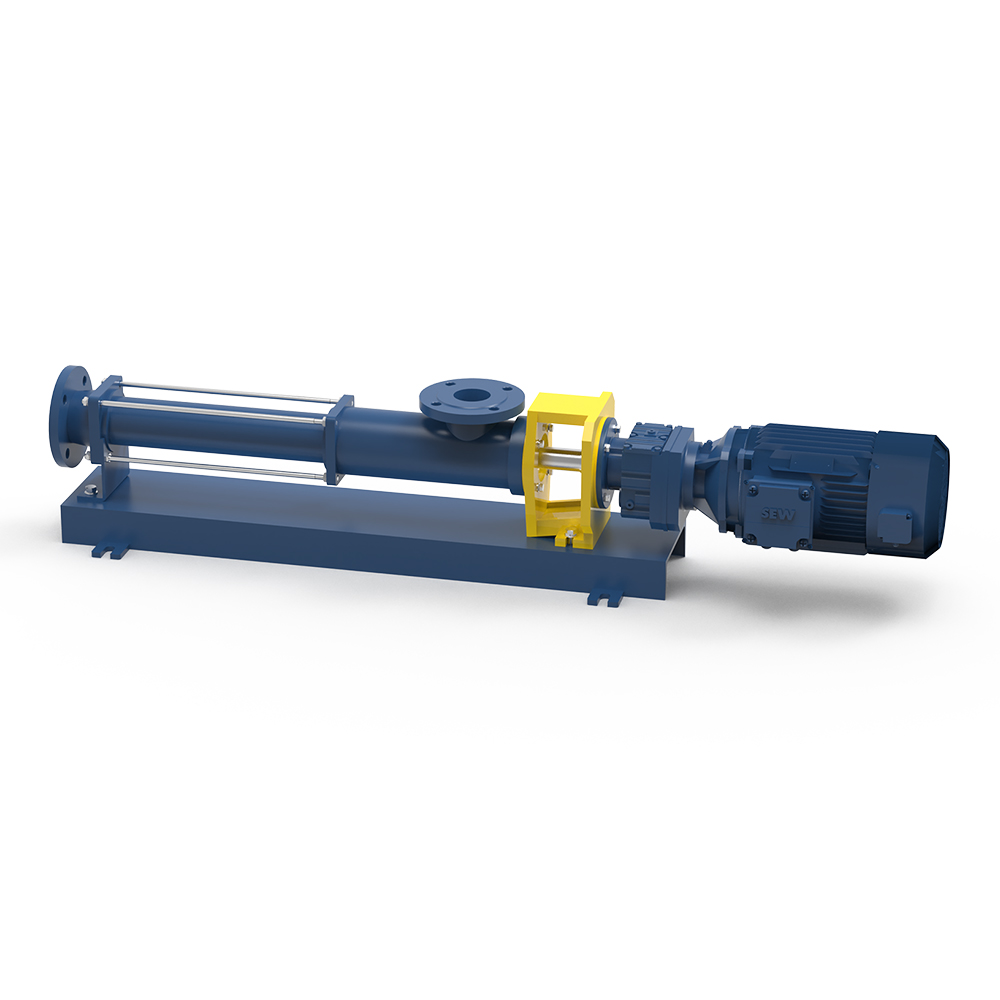
As bombas conectadas diretas do Mika Classic B são compactas, fáceis de manter, com baixos custos de investimento e são adequados para uma ampla ga...
Veja detalhes
Vários materiais estão disponíveis para diferentes condições de trabalho, como NBR, HNBR, EPDM e FKM.
Veja detalhes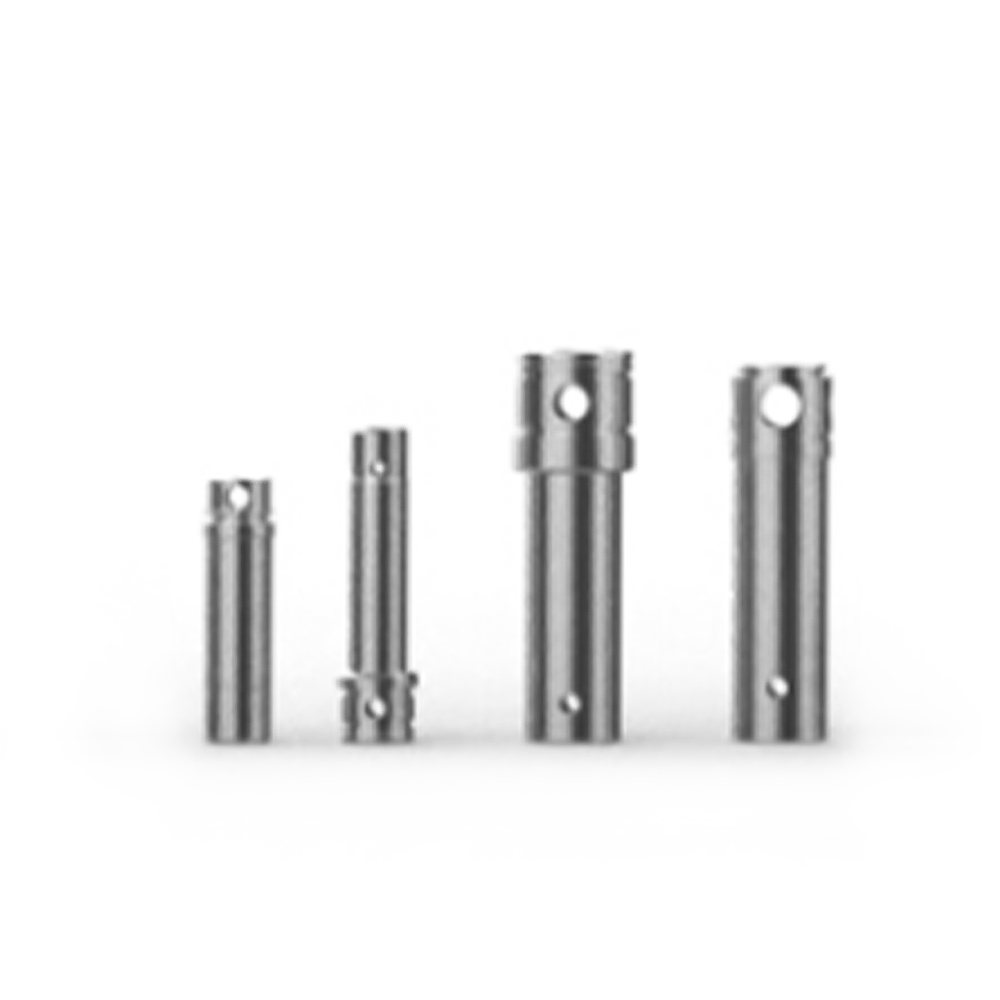
Vários materiais disponíveis: Q235.304.316L, 2205.2507, etc.
Veja detalhesContate-nos
Add: 36 Xintai Road, Zona de Desenvolvimento Econômico, Jingjiang City, Província de Jiangsu, China
Tel: +86-13515167342
Fax: +86-523-84261117
E-mail:
Nós adoraríamos
ouvir de você!
