Bombas de parafuso de espessura da parede iguais
Cat:Bombas de parafuso único
Bombas de parafuso equipadas com estator de espessura da parede igual, o mesmo tipo de especificações da bomba fluxo da bomba e a pressão é aumenta...
Veja detalhes
Screw pumps are positive displacement pumps that use one or more helical rotors turning inside a matching stator to move fluid steadily along the pump axis, and this design is precisely why screw pumps remain a preferred choice for handling wastewater, sludge, and viscous or shear-sensitive fluids across environmental, chemical, and food processing industries. The core reason a screw pump outperforms centrifugal alternatives in these applications comes down to its ability to maintain a stable, low-pulsation flow rate even when handling fluids with variable viscosity, solids content, or entrained air. This article explains the screw pump working principle in detail, presents performance data across key evaluation dimensions, compares different types of screw pump used across industries, reviews growth trends in screw pump adoption, and provides a practical guide for buyers selecting a screw pump manufacturer or sourcing screw pump accessories and spare parts.
Because a screw water pump is often installed in demanding conditions such as municipal wastewater treatment plants, sludge handling systems, chemical processing facilities, and food production lines, understanding its internal mechanism and performance characteristics in depth is essential for engineers and procurement teams responsible for long-term system reliability. This kind of detailed technical understanding also helps maintenance teams anticipate wear patterns, plan spare parts inventory more effectively, and avoid unplanned downtime in continuous process operations.
The sections below walk through this information in a structured way, starting with the fundamental screw pump working principle and the internal architecture of a single screw pump, moving through comparative performance data and industry growth trends, and closing with a practical selection and maintenance guide along with a frequently asked questions section addressing the most common technical concerns raised by industrial buyers.
A screw pump, most commonly encountered in industrial settings as a single screw pump or progressive cavity pump, operates using a helical metal rotor that rotates eccentrically inside a resilient elastomer stator. As the rotor turns, a series of sealed cavities form between the rotor and stator, and these cavities progressively move fluid from the pump inlet to the outlet without the fluid being subjected to high shear or turbulence. This is the fundamental screw pump working principle that distinguishes it from centrifugal pumps, which rely on rotational velocity and impeller design to generate flow, often at the cost of higher shear forces on the pumped fluid.
The single screw rotor is typically manufactured from hardened, corrosion resistant metal and precision machined to match the internal geometry of its corresponding stator, which is usually molded from a synthetic rubber compound selected based on the chemical and thermal properties of the fluid being handled. The rotor and stator form an interference fit, meaning the rotor is slightly larger than the internal cavity of the stator, which creates the sealing pressure necessary to prevent fluid from slipping backward between cavities as the rotor turns. Because the sealed cavities in a screw pump move fluid at a constant volume per rotor revolution, the resulting flow rate remains stable even as system pressure or fluid viscosity changes, which is one of the most valuable characteristics of a progressive cavity pump compared to other pump types.
This constant, low-pulsation flow characteristic explains why a screw pump diagram typically shows a smooth, continuous cavity structure rather than the vaned impeller structure found in centrifugal pump diagrams. Understanding this working principle also clarifies why screw pumps are so widely used for screw pumps wastewater applications, sludge handling, and food processing, since the gentle, low-shear pumping action reduces damage to solids, fibers, or delicate food particles that might otherwise be broken apart by a higher shear pump design. This same mechanism also gives a screw pump a natural self-priming ability, since the sealed cavities can draw fluid into the pump even when a small amount of air is present in the suction line, a property that is considerably more limited in most centrifugal pump designs.
A basic screw pump diagram illustrates the core components involved in the pumping process: the single screw rotor, the surrounding stator, the drive shaft connection, and the inlet and outlet ports. The isometric illustration below provides a simplified three-dimensional view of how these components are arranged within a typical single screw pump assembly.
This screw pump diagram shows the single screw rotor positioned inside the stator, with the drive connection on the left providing rotational motion that causes fluid to travel through the sealed cavities toward the outlet on the right. The rotor's helical shape, illustrated by the continuous wave pattern in the diagram, is what creates the progressive sealed cavities as it rotates within the fixed geometry of the stator. The stator, shown in the lighter shaded section, is typically molded from an elastomer material chosen for compatibility with the specific fluid being pumped, whether that is wastewater, sludge, or a food grade product requiring a food safe elastomer compound. The inlet and outlet ports, shown at each end, are sized according to the required flow rate and system pressure for the specific screw pump application. Understanding this basic diagram helps engineers and maintenance teams better interpret more detailed technical drawings provided by a screw pump manufacturer when specifying spare parts for progressive cavity pumps, including replacement rotors and stators, and it also helps clarify why proper alignment between rotor and stator is essential for maintaining sealing performance over time.
The chart below compares four core performance metrics commonly used to evaluate single screw pumps intended for wastewater, sludge, and industrial process applications: flow stability, solids handling capacity, maximum viscosity tolerance, and self-priming capability. These metrics are generally consistent with benchmarks referenced in progressive cavity pump technical literature used across the pump engineering industry.
This bar chart shows that flow stability is the strongest relative performance metric of a single screw pump, reflecting the constant-volume cavity mechanism described in the earlier working principle section, which produces a smooth, low-pulsation flow regardless of minor pressure fluctuations in the system. Solids handling capacity is also rated highly, since the progressive cavity design allows a screw pump to move fluids containing suspended solids, fibers, or sludge without the impeller damage risk associated with centrifugal pump designs. Viscosity tolerance is strong as well, which is why a screw pump is frequently selected for thick or non-Newtonian fluids that would be difficult to move efficiently using a standard centrifugal pump. Self-priming capability, while good, is generally slightly lower relative to the other three metrics, since priming performance depends on stator condition and installation configuration, and this is one reason routine inspection of screw pump accessories such as the stator and rotor is recommended over the life of the equipment. Taken together, these four metrics explain why screw pumps continue to be specified for demanding wastewater, sludge, and process industry applications where flow consistency and solids handling matter more than raw flow rate alone.
Screw pumps are manufactured in several configurations to match different fluid handling requirements, and understanding these types of screw pump helps buyers select the correct configuration for their specific application. The donut chart below shows an approximate distribution of where different screw pump types are most commonly applied across industry.
This donut chart shows that sewage screw pump applications represent the largest share of screw pump use, which reflects how widely progressive cavity pumps are used across municipal and industrial screw pumps wastewater treatment systems to move raw sewage and treated effluent reliably. Sludge screw pump applications form the second largest segment, since thickened sludge requires a pump capable of handling high viscosity and variable solids content without clogging, a strength directly tied to the screw pump working principle discussed earlier. Vertical screw pump configurations represent a meaningful share as well, commonly used in installations where space constraints or tank geometry favor a vertical orientation over a horizontal pump layout, particularly in facilities with limited floor space near collection sumps. Food screw pump applications, while a smaller share of total use, are significant in food and pharmaceutical processing, where the gentle, low-shear pumping action helps preserve the integrity of sensitive food products during transfer. The remaining share, covering chemical and general process applications, demonstrates that a screw pump manufacturer typically offers multiple configurations rather than a single universal design, since fluid properties and application environments vary significantly across these industries.
Beyond the general application categories shown above, it is useful to look more closely at the specific screw pump uses within each major sector, since the operating conditions and performance priorities differ meaningfully from one industry to another.
In municipal wastewater treatment plants, a sewage screw pump is typically installed at the headworks stage, where raw influent containing variable solids, grit, and debris must be lifted or transferred to downstream treatment processes. The screw pump working principle allows these units to handle this variable content without the clogging risk associated with narrow impeller passages found in some centrifugal designs, which is one reason screw pumps wastewater applications remain common at treatment plant inlet works around the world.
Further along the treatment process, a sludge screw pump is used to transfer thickened or dewatered sludge between processing stages, including digesters, thickening tanks, and dewatering equipment. Sludge viscosity can vary significantly depending on solids concentration, and the progressive cavity design of a screw pump provides the consistent volumetric transfer needed to keep these processes running smoothly despite this variability.
In food and pharmaceutical settings, a food screw pump configured with food safe elastomer materials and polished rotor surfaces is used to transfer products ranging from thick sauces and purees to dough-like mixtures, where gentle handling is essential to preserving product texture and quality. The same low-shear pumping action that benefits wastewater and sludge applications is equally valuable here, since aggressive mechanical action from other pump types could degrade sensitive food products during transfer.
Chemical and petrochemical facilities often use a screw pump for transferring corrosive, abrasive, or high viscosity process fluids where consistent flow control is important for downstream reaction or blending processes. In these environments, stator elastomer selection becomes especially important, since different chemical compounds require different levels of resistance to swelling, degradation, or chemical attack over the pump's service life.
Different screw pump applications place different demands on the pump design. The radar chart below compares screw pump performance across five industrial application contexts: wastewater treatment, sludge handling, food processing, chemical processing, and general industrial transfer, evaluated against suitability for solids content, viscosity range, and hygienic requirements.
The radar chart shows that wastewater treatment and sludge handling extend furthest from the center, indicating that these two application areas are typically where a screw pump demonstrates its strongest relative performance advantage compared to alternative pump technologies. This is consistent with the widespread use of screw pumps wastewater systems across municipal treatment plants, where variable solids content and the need for stable, low-shear flow make progressive cavity pumps a practical choice. Food processing and chemical processing also score well, since a properly configured food screw pump or chemical-compatible screw pump can meet the specific elastomer and material compatibility requirements of these industries. General industrial transfer applications, while still a solid use case, sit slightly closer to the center, reflecting that a screw pump remains capable in these settings but may face more competition from centrifugal pump alternatives when the pumped fluid is thin, uniform, and free of solids. This comparison helps illustrate why a screw pump manufacturer typically markets its products most heavily toward wastewater, sludge, and specialty processing applications, where the specific advantages of the screw pump working principle are most valuable.
Engineers evaluating pump technology for a new project often need to compare a screw pump against alternative technologies such as centrifugal pumps and rotary lobe pumps across several practical operating conditions. The heatmap below presents a simplified comparative view across four fluid handling scenarios and three pump technology categories, using shading intensity to represent relative suitability.
This heatmap shows that a screw pump consistently scores in the darkest shading category across all four evaluation scenarios, indicating strong suitability for high solids content, high viscosity fluid, low shear requirements, and applications where consistent flow is essential. Centrifugal pumps, shown with lighter shading in most categories, generally perform better in applications involving thin, uniform fluids at high flow rates, but show weaker suitability for high viscosity or solids-heavy applications where impeller clogging or wear can become a concern. Rotary lobe pumps occupy a middle position across most categories, offering reasonable performance for solids handling and viscosity tolerance, though typically with somewhat higher shear forces on the pumped fluid compared to a screw pump. This comparative view helps explain why screw pumps wastewater, sludge, and food processing applications frequently favor progressive cavity technology, while centrifugal pumps remain more common in simpler, high flow rate applications involving thinner fluids. Engineers should use this kind of comparative evaluation alongside site-specific factors such as available installation space, maintenance access, and total system pressure requirements when finalizing a pump technology selection.
According to general trend data published by water and wastewater industry research organizations, adoption of screw pumps and progressive cavity pump technology has expanded steadily over recent years, driven by growing investment in municipal wastewater infrastructure and increasing demand for reliable solids handling equipment across industrial sectors. The area chart below presents an illustrative view of this growth pattern across a six year period.
The upward slope of this area chart reflects a broad industry pattern in which adoption of screw pumps and related progressive cavity pump technology has expanded steadily rather than remaining flat over the observed period. This growth is generally attributed to increasing investment in municipal wastewater treatment infrastructure, rising demand for reliable sludge handling equipment as treatment plants expand capacity, and broader industrial adoption of low-shear pumping solutions in food and chemical processing. For a screw pump manufacturer, this steady growth pattern means that production capacity, engineering support, and after-sales spare parts availability all become increasingly important competitive factors as demand for screw pumps wastewater and sludge screw pump systems continues to rise. The relatively smooth upward curve, rather than a sharp short-term spike, also suggests that this is a durable long-term trend tied to infrastructure investment cycles rather than a temporary surge linked to a single market event. This trend supports continued investment in screw pump design, rotor and stator material research, and expanded after-sales service capability across the pump manufacturing sector.
Selecting the right screw pump involves matching the pump configuration and materials to the actual fluid properties and operating conditions of the target application. The table below outlines key selection criteria that buyers typically review before finalizing a screw pump or ordering spare parts for progressive cavity pumps.
| Criteria | Why It Matters | What To Verify |
|---|---|---|
| Stator Elastomer Material | Affects chemical compatibility and service life | Compatibility with pumped fluid chemistry |
| Rotor Coating and Material | Affects wear resistance and corrosion protection | Hardened or coated single screw rotor specification |
| Orientation (Horizontal or Vertical) | Impacts installation footprint and priming behavior | Vertical screw pump versus horizontal configuration |
| Solids and Viscosity Range | Determines whether the pump can handle sludge or sewage content | Maximum rated solids percentage and viscosity |
| Spare Parts Availability | Reduces downtime during maintenance | Availability of universal screw pump accessories |
Beyond the table above, buyers should also request documentation on stator and rotor compatibility for their specific screw pump model, since mismatched spare parts for progressive cavity pumps can lead to reduced flow performance or premature wear. Sourcing screw pump accessories, including replacement stators for progressive cavity pumps and single screw rotors, from a manufacturer with universal compatibility experience is one of the most effective ways to reduce long-term maintenance costs, since some suppliers are able to provide accessories compatible with multiple global screw pump brands rather than a single proprietary design. It is also worthwhile to review the manufacturer's design flexibility, since some screw pump applications require custom rotor pitch, stator hardness, or connection flange configurations to integrate properly with existing piping and control systems.
Routine maintenance is essential to preserving the performance advantages of a screw pump over its service life. The two components most commonly requiring replacement are the stator and the single screw rotor, since these parts experience direct mechanical contact and gradual wear during normal operation. Monitoring flow rate and discharge pressure over time can help identify early signs of stator wear before a complete loss of pumping efficiency occurs, allowing maintenance teams to schedule spare parts replacement proactively rather than reactively.
Following these maintenance practices helps extend the effective service life of a screw pump and reduces the likelihood of unplanned downtime, which is particularly important for continuous process applications such as sewage screw pump systems and sludge screw pump installations that operate around the clock in municipal and industrial facilities. A documented maintenance schedule, combined with a readily available inventory of common screw pump accessories, is generally the most effective way to minimize total lifecycle cost for these systems.
Understanding common failure modes helps clarify why careful selection and maintenance of a screw pump matters so much in demanding applications. The most frequently reported issues with progressive cavity pumps include stator swelling from chemical incompatibility, rotor wear from abrasive solids, dry running damage when the pump operates without sufficient fluid present, and reduced flow performance from general wear accumulated over the service life of the stator and rotor.
Stator swelling is one of the most common and most preventable failure modes, since selecting an elastomer compound properly matched to the pumped fluid chemistry can largely eliminate this issue before it becomes a maintenance concern. Rotor wear from abrasive solids, common in sewage screw pump and sludge screw pump applications, can be mitigated through the use of hardened or specially coated single screw rotor designs intended for higher abrasion environments. Dry running damage, which can occur if a pump is started or continues operating without adequate fluid supply, is generally addressed through proper system design, including level switches or flow monitoring that automatically stop the pump before damage occurs. Gradual flow performance decline over time is a normal part of stator and rotor wear, which is why routine inspection and proactive spare parts replacement, discussed in the maintenance section above, remains the most effective long-term strategy for managing this issue.
Consistent quality in a screw pump depends heavily on the precision machining of the single screw rotor and the accurate molding of the stator to ensure a proper sealing fit between the two components. Manufacturers with dedicated design, manufacturing, and inspection capabilities are generally able to maintain tighter dimensional tolerances across production batches, which directly affects pumping efficiency and service life once the pump is installed in the field. Quality control typically includes raw material verification, in-process dimensional checks during rotor machining and stator molding, functional testing of assembled pumps under simulated operating conditions, and final inspection before shipment.
Screw pumps that pass through documented multi-stage inspection processes tend to demonstrate more consistent flow performance and longer service life compared to pumps that rely only on final assembly testing. For buyers sourcing screw pump accessories and spare parts at scale, requesting documentation of a supplier's quality control process, including inspection equipment and testing protocols for both rotors and stators, is a practical step toward reducing long-term maintenance and replacement costs. Consistency across production batches is particularly important for buyers who need spare parts for progressive cavity pumps to match existing installed equipment precisely, since even minor dimensional variation between production batches can affect fit and sealing performance.
Jingjiang Meijia Pump Industry Co., Ltd. is located at No. 36 Xintai Road, Jingjiang Economic and Technological Development Zone, Jiangsu Province, and is a professional company engaged in the production, sales, and after-sales service of single screw pumps and high-quality single screw pump spare parts. The company employs numerous experienced, technically mature engineers involved in the design, manufacturing, inspection, and complete assembly of screw pumps.
Meijia single screw pump products feature advanced technology, complete structure, diverse configurations, and a wide range of specifications, and are widely used across industries including environmental water treatment, chemical processing, paper and pulp, food and pharmaceutical, petrochemical, and energy sectors. The company also provides universal screw pump accessories compatible with a range of global single screw pump brands, supported by an experienced after-sales service team that assists customers with ongoing maintenance and spare parts needs across different operating environments and working conditions. Over time, different users working across varied environments have consistently found that Meijia single screw pump products continue to operate reliably year after year, reflecting the company's focus on durable design and dependable after-sales support.
A screw pump uses a helical rotor turning inside a matching stator to form sealed cavities that progressively move fluid from the inlet to the outlet, producing a stable, low-pulsation flow.
Common types of screw pump include sewage screw pumps, sludge screw pumps, vertical screw pumps, and food screw pumps, each configured for specific solids content and viscosity requirements.
Screw pumps wastewater applications benefit from the pump's ability to handle variable solids content and viscosity while maintaining a stable flow rate, which is difficult to achieve with centrifugal pump designs.
The stator and single screw rotor are the two components most commonly requiring replacement over time, since they experience direct mechanical contact and gradual wear during normal operation.
Yes, a screw pump is well suited to high viscosity and high solids content fluids such as sludge, due to its progressive cavity mechanism that moves fluid gently without high shear forces.
Yes, a food screw pump configured with food safe elastomer and rotor materials can gently transfer food products without damaging sensitive particles, making it suitable for food and pharmaceutical processing.
Keeping compatible screw pump accessories such as replacement stators and rotors in stock, along with monitoring flow and pressure trends, helps buyers schedule maintenance proactively and reduce unplanned downtime.
Yes, some manufacturers provide universal screw pump accessories compatible with multiple global single screw pump brands, which can simplify spare parts sourcing for facilities operating mixed equipment fleets.
Premature stator failure is most often caused by chemical incompatibility between the elastomer material and the pumped fluid, or by dry running conditions that generate excessive heat and friction inside the pump.
A vertical screw pump is typically installed in tanks or sumps with limited floor space, while a horizontal configuration is more common in open floor installations where standard piping layouts are used.
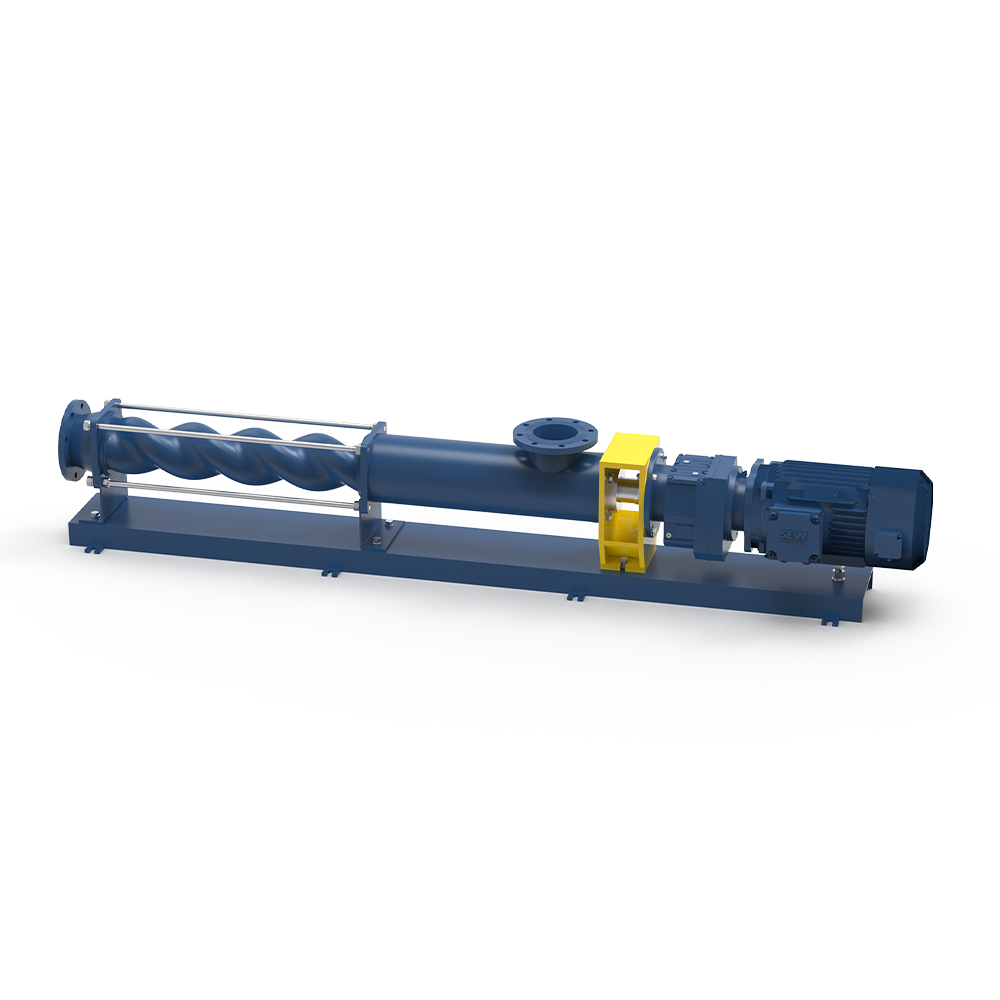
Bombas de parafuso equipadas com estator de espessura da parede igual, o mesmo tipo de especificações da bomba fluxo da bomba e a pressão é aumenta...
Veja detalhes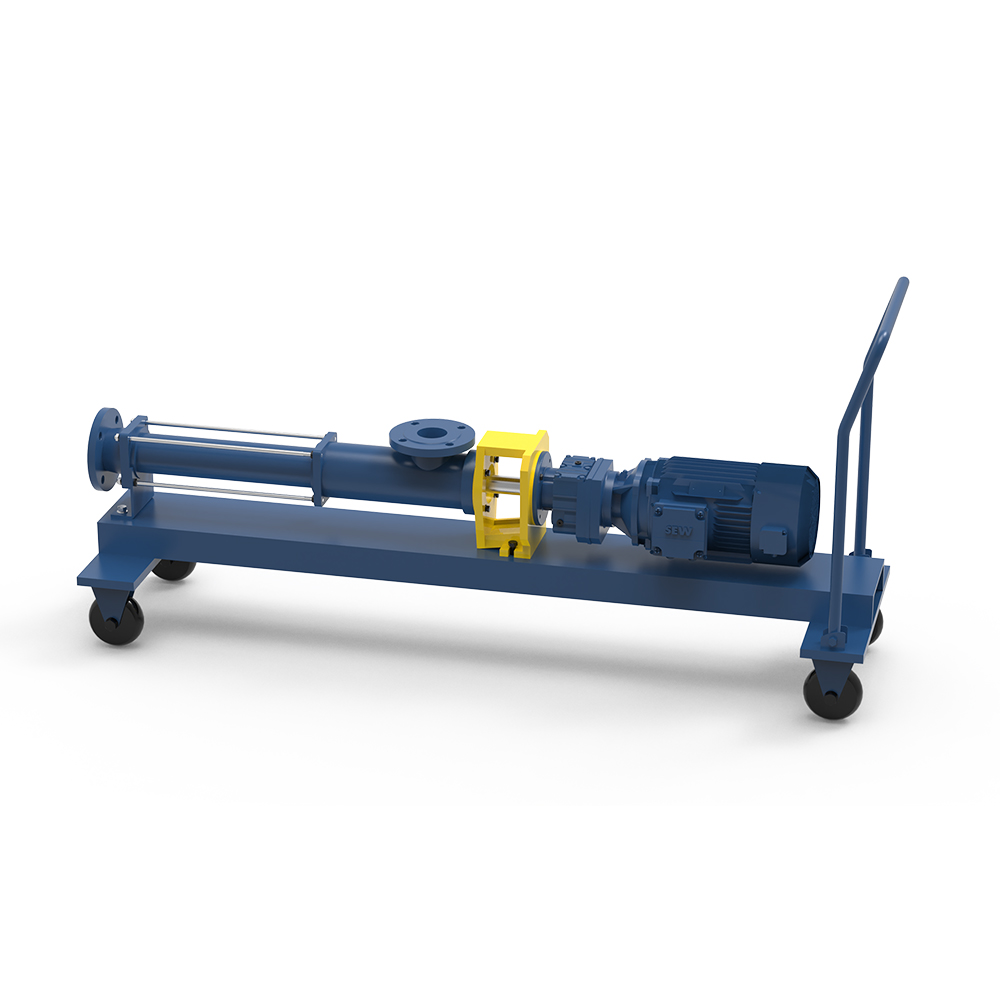
Bomba de veículo Mika, a base da bomba não é apenas estável e confiável, mas também inteligentemente equipada com rodas universais, essas rodas gir...
Veja detalhes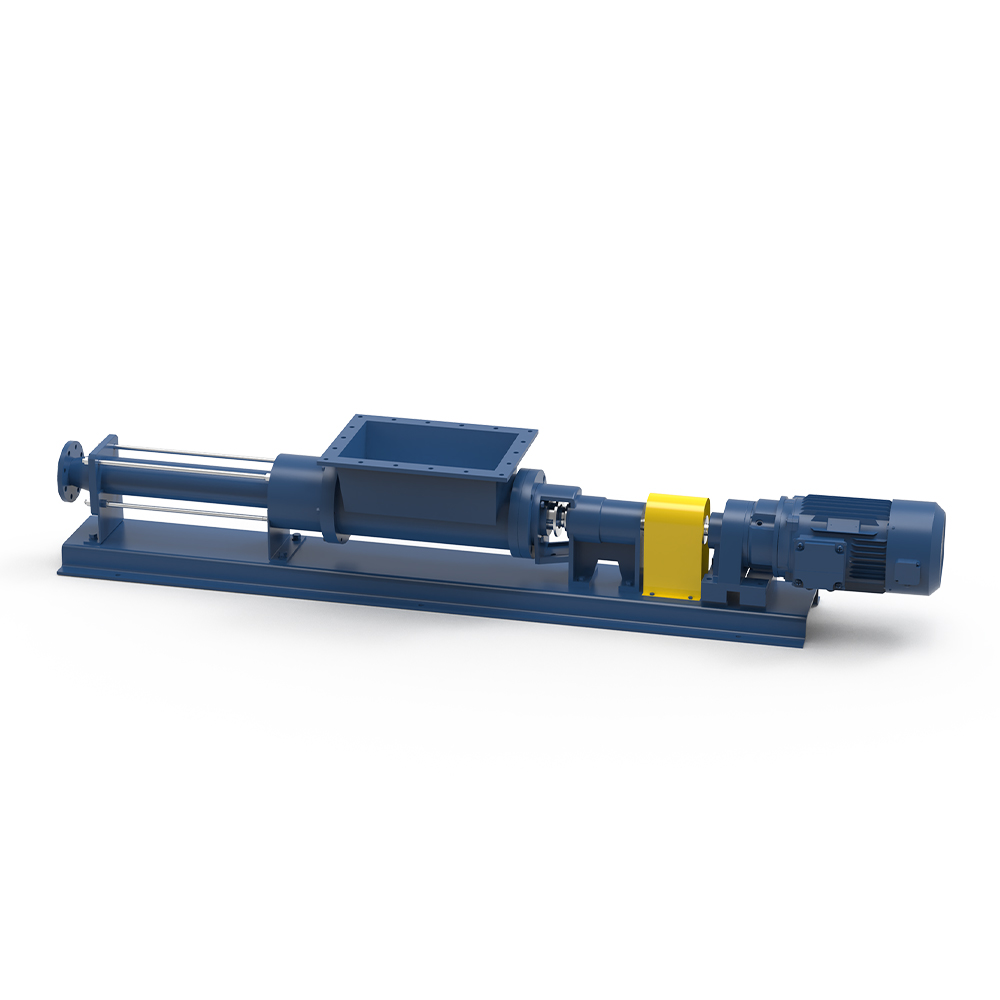
A entrada é uma bomba do tipo W grande de design de tremonha com um eixo de conexão com várias palhetas (que podem efetivamente impedir o acúmulo d...
Veja detalhes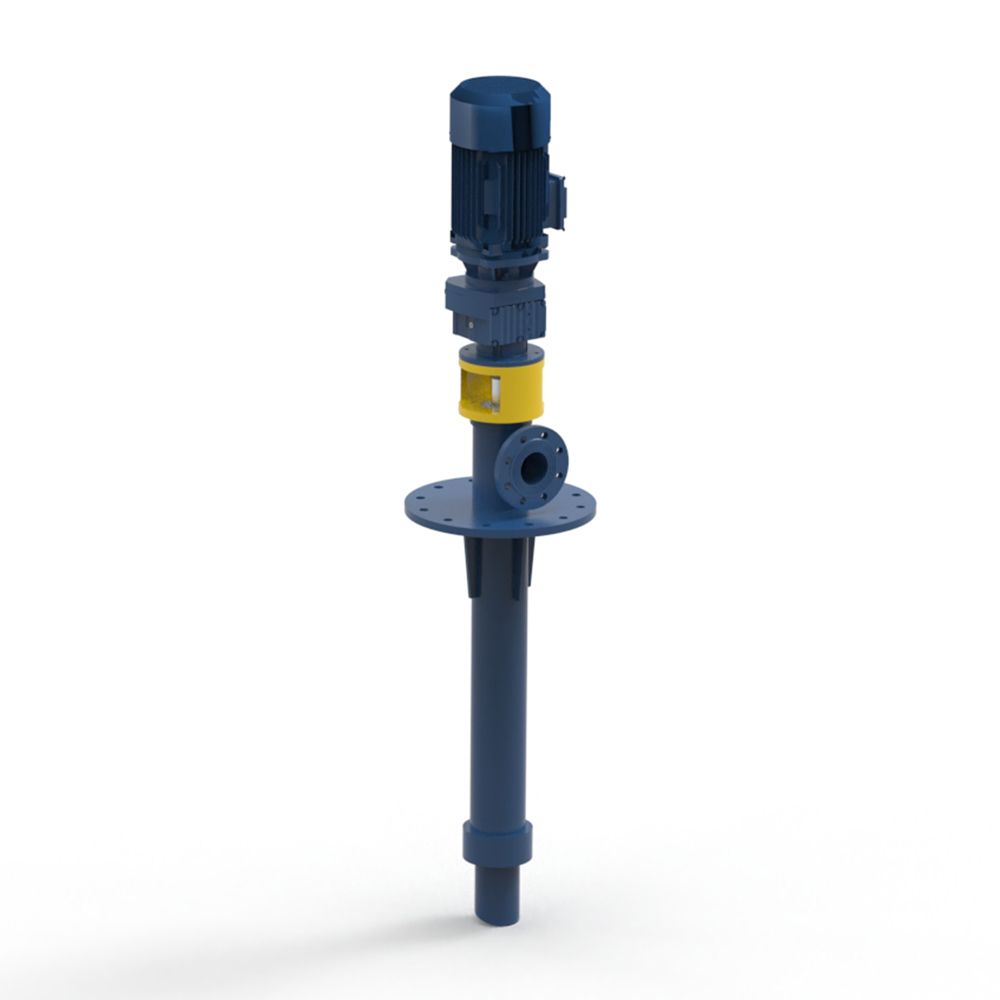
As bombas de parafuso do tipo T vertical Mika podem ser alcançadas através do comprimento do corpo da bomba a uma variedade de profundidades difere...
Veja detalhes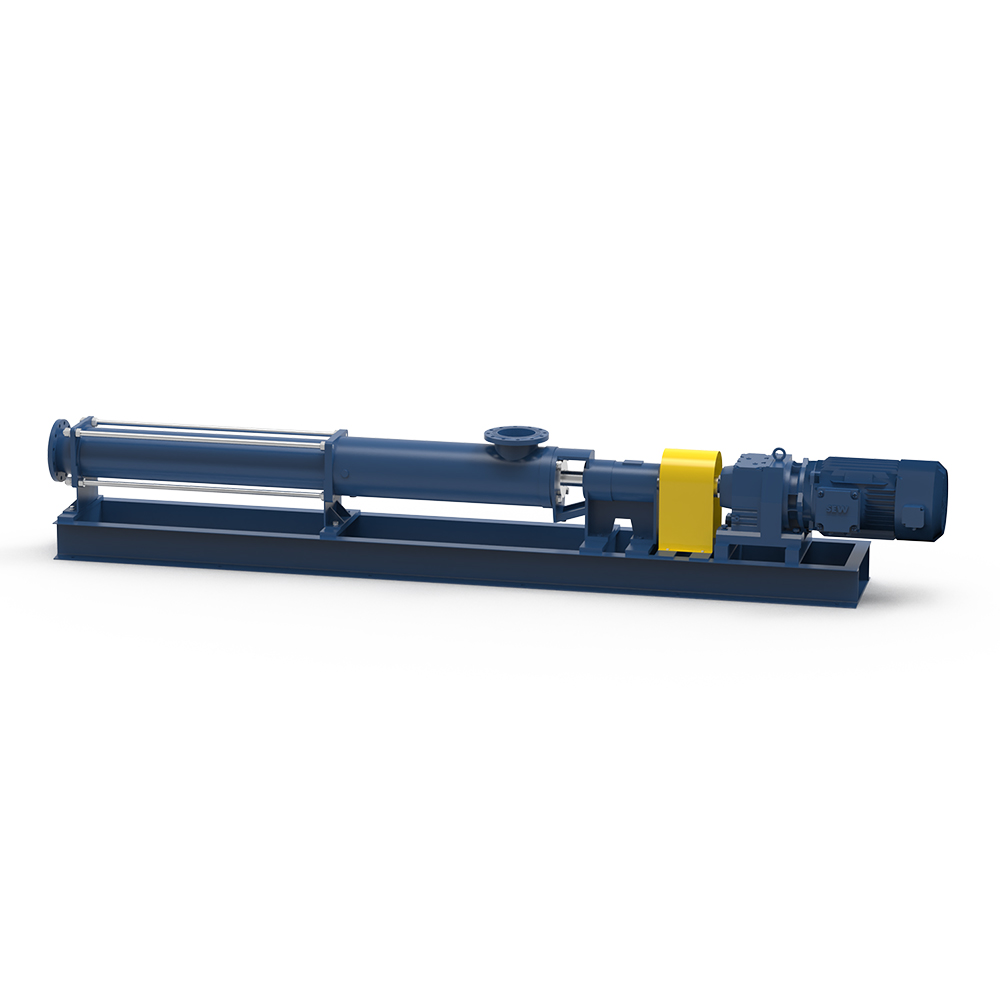
A bomba S com suporte ao quadro de rolamentos pode suportar cargas axiais mais altas e pode ser usada para condições de alta pressão, p. Transferên...
Veja detalhes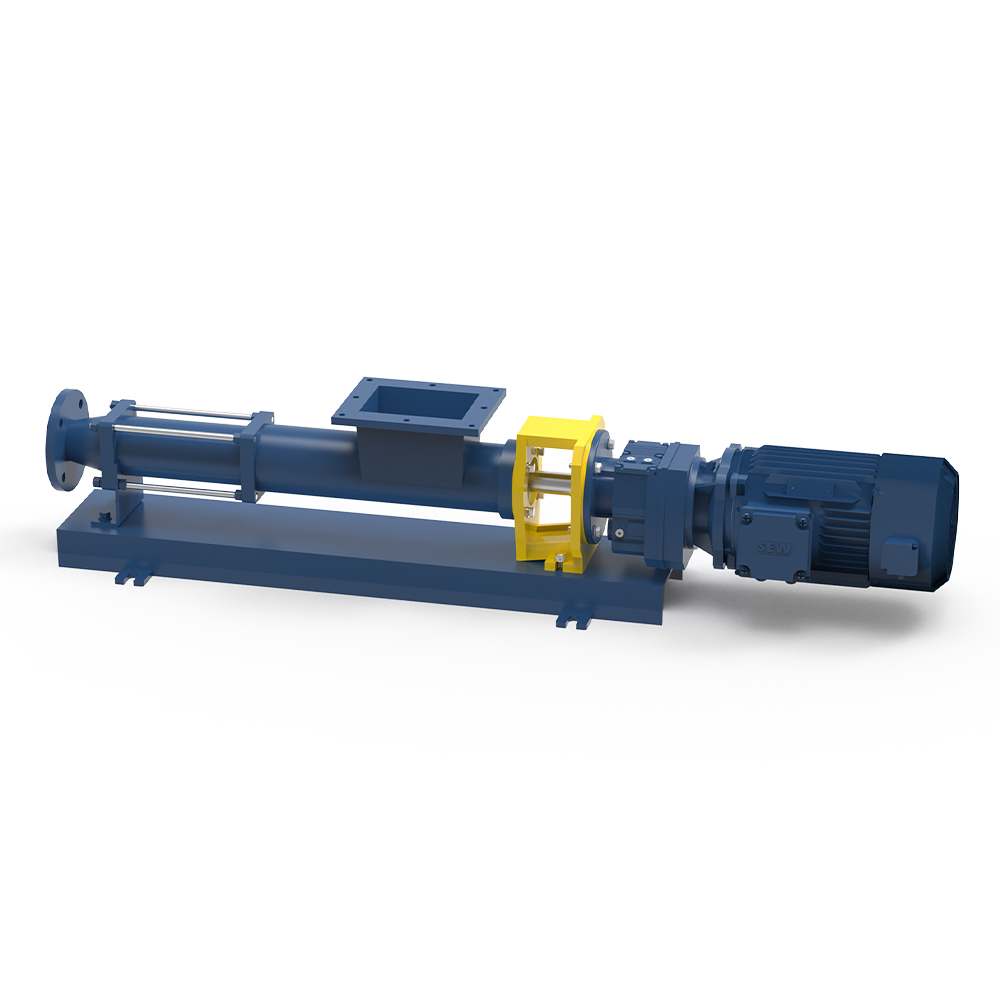
A entrada é uma pequena bomba h trengular do projeto H, adequada para transmitir alto teor sólido de viscosidade de menos de 15% do meio, como mist...
Veja detalhes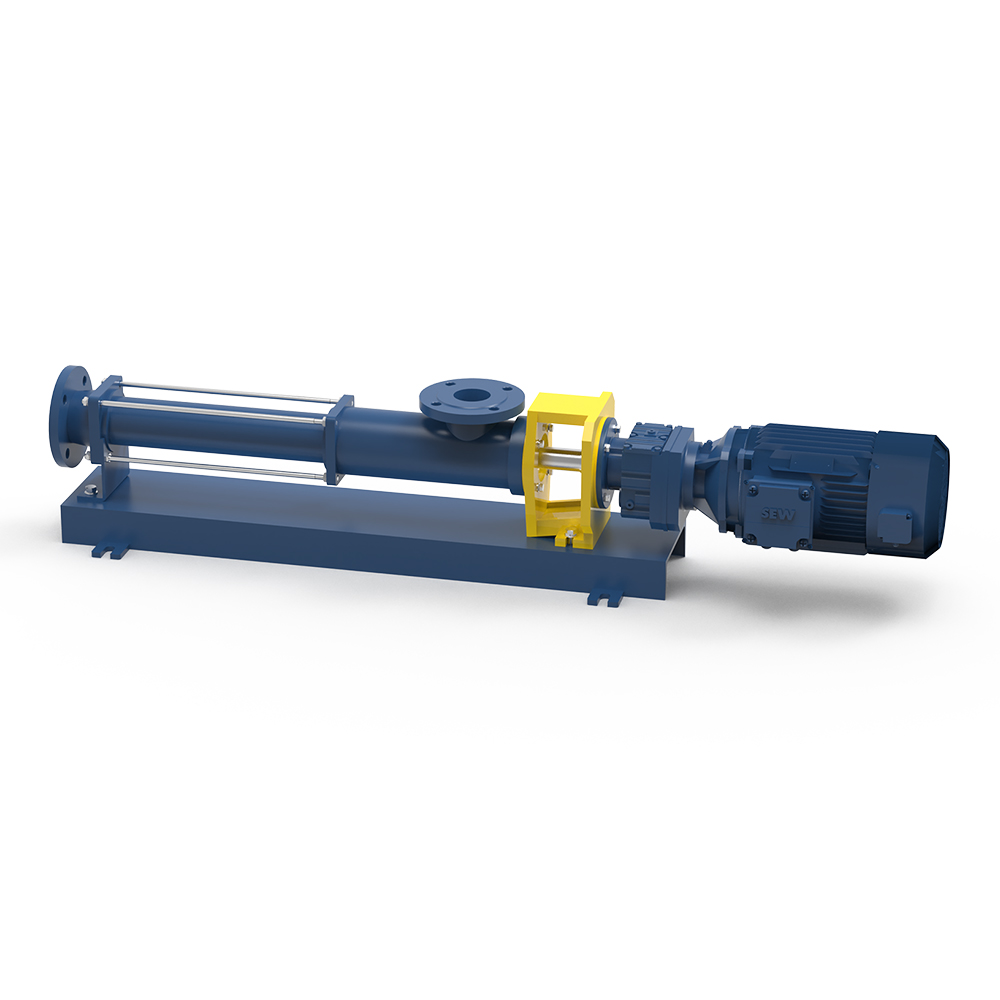
As bombas conectadas diretas do Mika Classic B são compactas, fáceis de manter, com baixos custos de investimento e são adequados para uma ampla ga...
Veja detalhes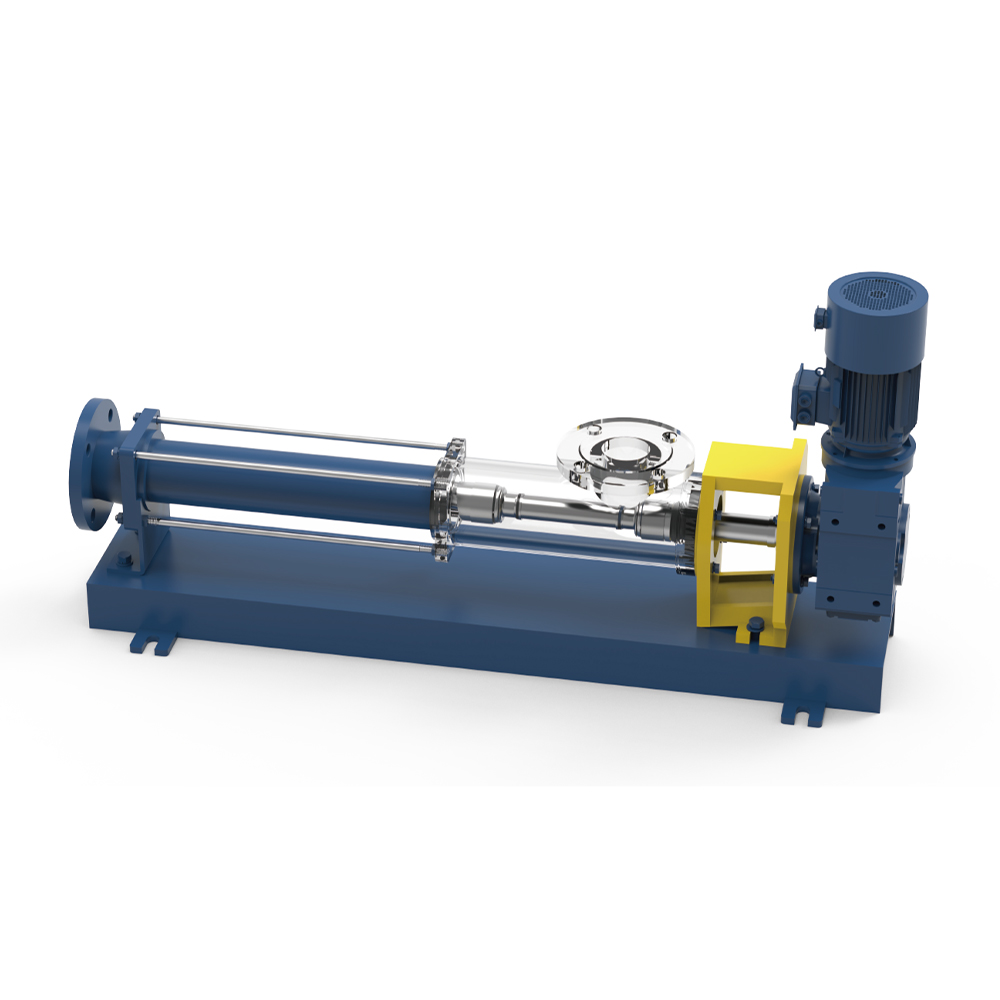
O redutor de velocidade adota o redutor de velocidade da série K e o comprimento da bomba pode ser reduzido, para que possa ser usado em locais ond...
Veja detalhes
Vários materiais estão disponíveis para diferentes condições de trabalho, como NBR, HNBR, EPDM e FKM.
Veja detalhes
Vários materiais disponíveis: Q235.304.316L, 2205.2507, etc.
Veja detalhesContate-nos
Add: 36 Xintai Road, Zona de Desenvolvimento Econômico, Jingjiang City, Província de Jiangsu, China
Tel: +86-13515167342
Fax: +86-523-84261117
E-mail:
Nós adoraríamos
ouvir de você!
